



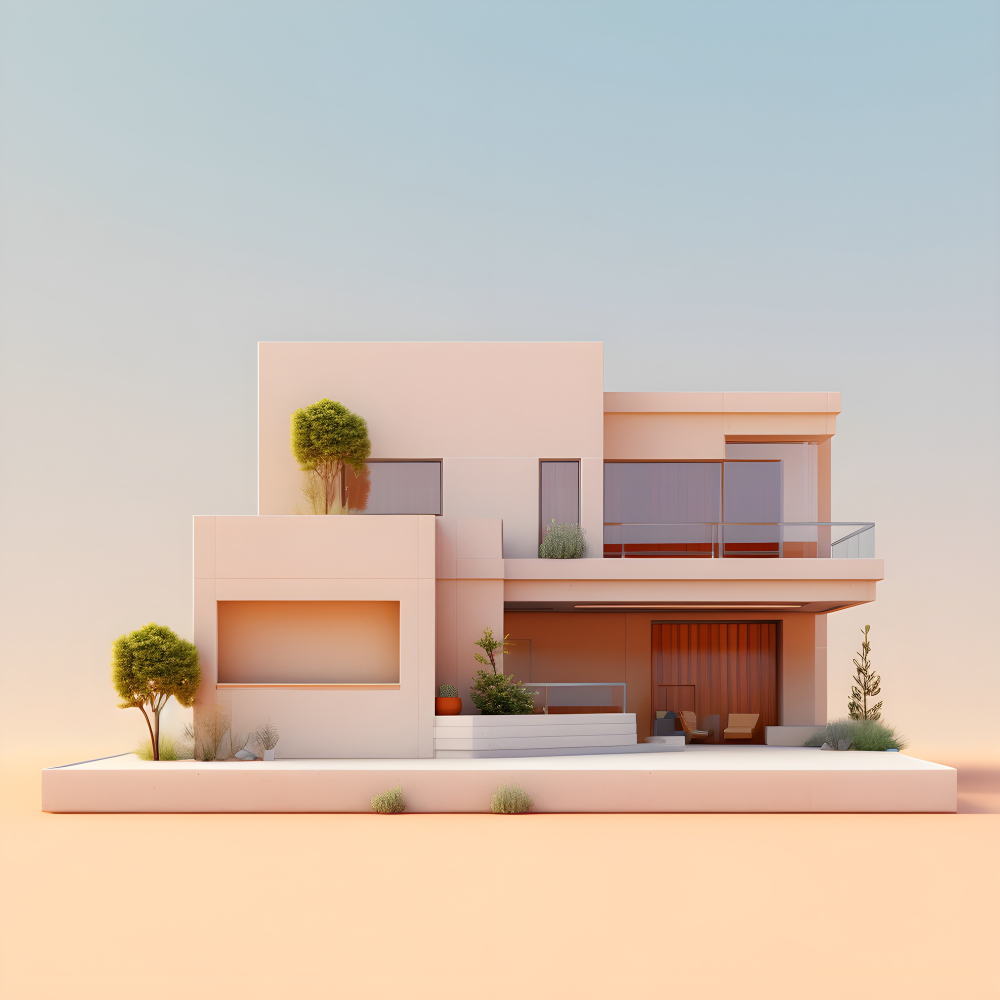
Nest Theory – A Human-Centric Approach to Residential Design
Nest Theory is a nature-inspired design philosophy that prioritizes human experience and adaptability. It merges form and emotion to create homes that are comfortable, efficient, and deeply personal.
Introduction to Nest Theory
Nest Theory is a residential design concept rooted in the natural elegance of bird nests—sheltered, warm, and responsive to evolving needs. This philosophy blends psychology, sustainability, and intuitive layout to create spaces where inhabitants feel deeply connected and nurtured.
Whether you're designing a new home or renovating, Nest Theory ensures that every corner of your space supports both the functional and emotional aspects of daily life.
Core Design Principles
- Intuitive Layouts
- Floor plans that reflect natural human movement and routines, minimizing stress and enhancing usability.
- Biophilic Elements
- Integration of daylight, air flow, plants, and organic materials to reinforce a connection to nature and support wellbeing.
- Comfort & Safety Zones
- Personalized pockets of space—such as cozy nooks or quiet corners—that provide emotional refuge and physical comfort.
- Flexible Living Spaces
- Modular areas that adapt over time to suit changing lifestyles, from growing families to remote work needs.
- Emotional Resonance
- Use of textures, tones, and spatial rhythm to shape environments that feel soothing, familiar, and nurturing.
Benefits of Nest Theory Residential Design
- Enhances mental wellness through emotionally intelligent environments
- Encourages sustainable choices with smart energy use and eco-materials
- Supports flexible lifestyles with adaptable design features
- Builds deeper emotional connections between people and their living space
- Reduces stress with intuitive flow and clutter-free layouts
Frequently Asked Questions (FAQs)
What makes Nest Theory different from conventional home design?
Nest Theory incorporates emotional, sensory, and behavioral factors into architecture—unlike traditional design which often focuses only on aesthetics and utility.
Can Nest Theory be applied to apartments and small spaces?
Yes. Its principles scale well to any size and emphasize quality of space over quantity.
Is Nest Theory suitable for eco-conscious homeowners?
Definitely. It uses biophilic design and sustainable strategies to lower carbon footprints while improving livability.
Can I apply Nest Theory ideas during a renovation?
Absolutely. Whether upgrading a single room or rethinking your entire home, Nest Theory provides adaptable solutions for modern lifestyles.
why choose us
A behind the scenes look at our agency
From concept to completion, discover how we bring your vision to life with innovation, collaboration, and expert craftsmanship.

tailored design solutions
We provide personalized interior design services that reflect your unique vision and lifestyle.

Seamless Project Management
We handle the entire design process, from concept to completion, with flawless execution.

Client-Centered Collaboration
Your input is valued throughout the entire process, ensuring your vision is fully realized.
asked question
Have your any question look here now
Nostra turma dedicata consilium arctius operatur ut visionem tuam intelligat et eam ad vitam adducat cum magna cura in singula
Our process starts with a consultation to discuss your vision, followed by planning, design presentation, and implementation to achieve your ideal space.
Our process starts with a consultation to discuss your vision, followed by planning, design presentation, and implementation to achieve your ideal space.
Our process starts with a consultation to discuss your vision, followed by planning, design presentation, and implementation to achieve your ideal space.
Our process starts with a consultation to discuss your vision, followed by planning, design presentation, and implementation to achieve your ideal space.
Our process starts with a consultation to discuss your vision, followed by planning, design presentation, and implementation to achieve your ideal space.